What the name describes
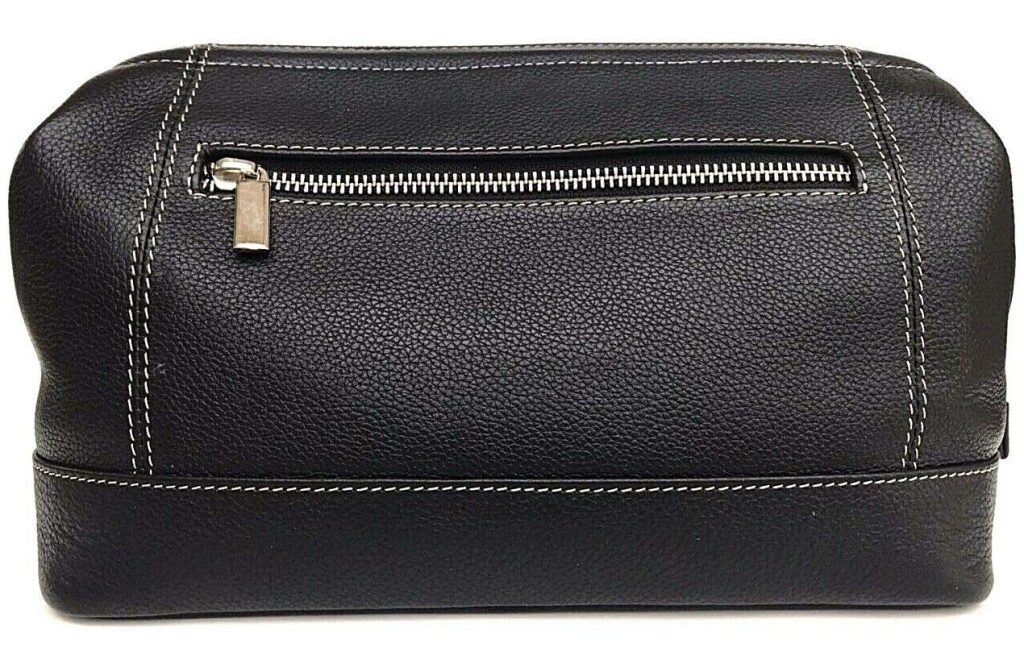
Nappa is a finishing method rather than an animal or a grade: full-grain hide, usually lamb or calf, chrome-tanned and dressed to stay soft and elastic. The grain layer is kept intact — it is not sanded off and reprinted, as it is on corrected-grain leather — so the surface keeps its natural pattern and gains a patina instead of flaking.
In short
- Type: soft full-grain leather, tanned to stay supple
- Why for cases: folds daily without cracking; ages rather than wears out
- Not: bonded, coated or corrected-grain leather, which crack at the fold
How to tell
Press the surface with a thumbnail. Full-grain marks lightly and recovers. Coated leather resists, then creases permanently.
The part people get wrong
A good case is not a drying cabinet. Leather absorbs and holds moisture, so an instrument put away damp sits in a humid pocket for days — the most common cause of spotting on otherwise well-kept stainless. Dry the instruments, then close the case.
Care
Away from sun and heat, conditioned once or twice a year with a neutral cream. Water marks usually fade; heat damage does not.
Instruments where this matters
Questions we get
Is nappa the same as full-grain?
Nappa is a way of tanning and finishing full-grain hide to stay soft. All nappa worth the name is full-grain; not all full-grain is nappa.
Will a leather case protect instruments from rust?
No — it will cause it if you put them away wet. Leather holds moisture. Dry the instruments first, and leave the case open after use.
How do I look after it?
Keep it out of direct sun and away from radiators, and treat it once or twice a year with a neutral leather conditioner.
*This page explains a word, nothing more. It is not medical advice and does not replace a consultation about a specific condition of the nail or the skin around it.
A file whose abrasive is etched into tempered glass rather than glued on. It sheds no grit, washes clean, and keeps its cut for years.
The heat treatment that sets an instrument’s final hardness. Under-hardened steel goes blunt in months; over-hardened steel chips at the tip.
A bevel ground as a curve rather than a flat facet. It puts more steel behind the very edge, which is why fine points survive on convex-ground blades.
The standard measure of how hard a blade is. Nail instruments sit around 54–58 HRC — high enough to hold an edge, low enough not to chip.