#Making
The difference between a good instrument and a cheap one is decided before it is sharpened. Forging, stamping, grinding and setting are separate operations, and each one either preserves the geometry of the blades or quietly ruins it. These entries explain what happens at the bench: why a forged blade holds its shape under load while a stamped one flexes apart, what «hand-set» means when a person closes the tool against the light and corrects it, and why the same workshop can produce instruments sold under four different names. Understanding this makes the price differences in our catalogue legible rather than arbitrary.
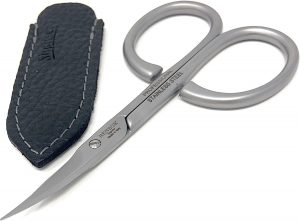
Two ways to get a blade blank. Forging shapes hot steel under force; stamping cuts a cold shape out of sheet. The difference shows up years later.

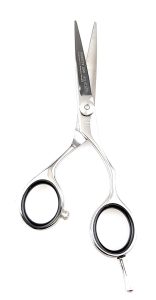
The final edge put on at a wheel by a person who watches how the two blades meet. On curved instruments no machine has replaced this step.
The heat treatment that sets an instrument’s final hardness. Under-hardened steel goes blunt in months; over-hardened steel chips at the tip.
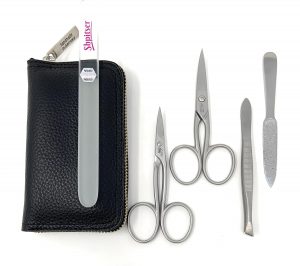
A protected designation of origin for German blades: an instrument may carry the name only if the decisive steps were done in the Solingen district.