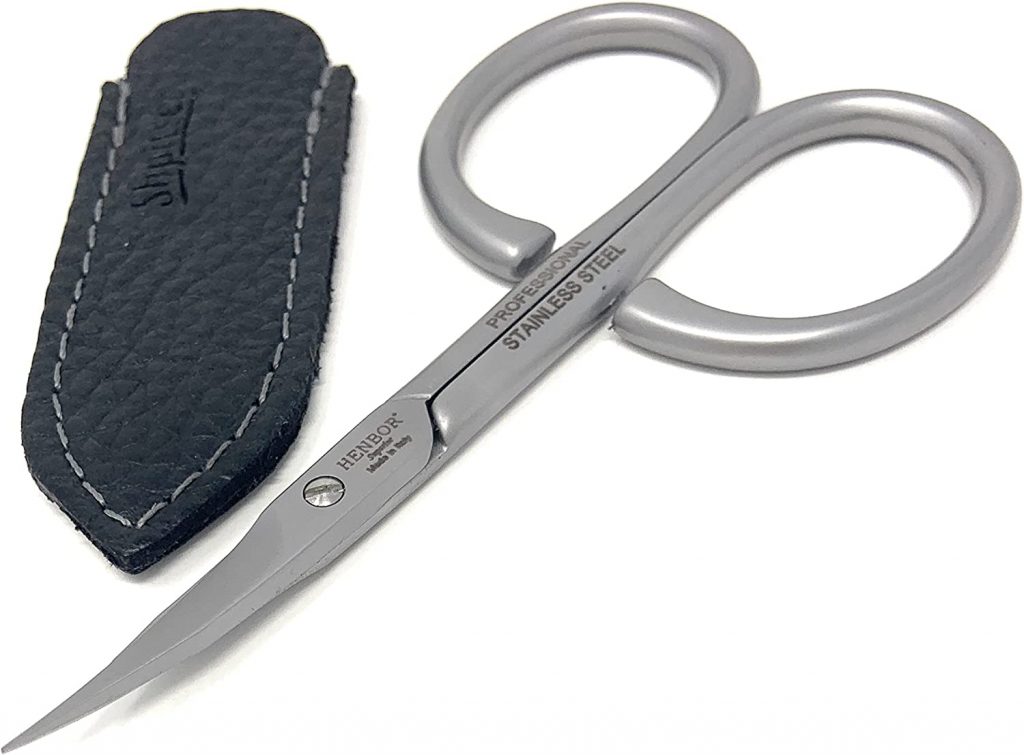
What forging changes in a blade
A forged blank starts as a bar of steel, heated until it is soft enough to move, then driven into a die under a drop hammer. The metal flows into shape rather than being cut into it. Two things follow. The grain of the steel runs along the blade instead of being interrupted at the edges, and the maker can leave metal exactly where it is needed — thick at the joint, thin at the tip.
A stamped blank is punched out of rolled sheet, cold, like a cookie cutter. It is fast and cheap and produces a part of uniform thickness. Everything the instrument needs beyond that outline — taper, bolster, the slight hollow behind the edge — has to be ground away afterward, or simply left out.
In short
- Forged: hot steel driven into a die; grain follows the blade; thickness varies where it should
- Stamped: cold sheet punched to outline; uniform thickness; grain interrupted at the cut
- Where it matters: scissors, nippers, clippers — anything with two edges that must meet
How to check
Run a fingernail along the back of the blade from joint to tip. Forged blades thin out noticeably. Stamped blades feel the same all the way.
Why it matters for scissors and nippers
Instruments that cut with two edges depend on the blades staying in the same relationship to each other under load. A forged blade with a proper bolster resists twisting at the joint. A flat stamped blade flexes, the edges pass instead of meeting, and the nail folds and tears rather than being cut. That is what people are describing when they say cheap scissors “chew” the nail.
What it costs
Forging is slower, wears out dies, and needs a second round of grinding. It roughly doubles the cost of the blank before anyone has touched the edge. That is the whole reason the market is full of stamped instruments — and the reason a forged pair, with its edge reset by a grinding workshop every few years, outlives a drawer full of them.
Instruments where this matters
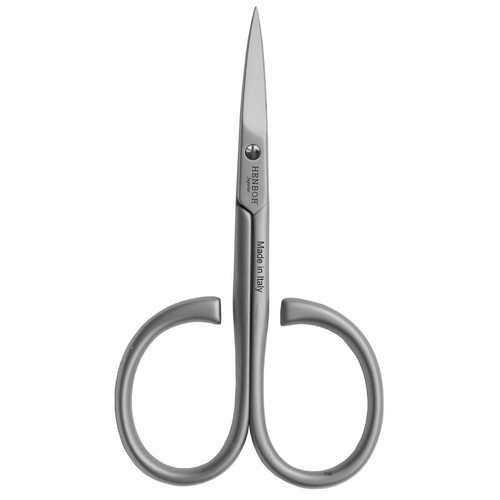
Questions we get
Can I tell forged from stamped by looking?
Often yes. A forged blade tapers in thickness from the joint toward the tip and has a slight bolster where the blade meets the shank. A stamped blade is the same thickness everywhere, because it came out of flat sheet.
Is stamped always bad?
No. For a disposable file or a promotional set it is a reasonable way to keep the price down. For anything you plan to sharpen and use for years, it is the wrong starting point.
Does forging make steel harder?
Not by itself — hardness comes from heat treatment. Forging aligns the grain and lets the maker put thickness where the instrument needs it.
*This page explains a word, nothing more. It is not medical advice and does not replace a consultation about a specific condition of the nail or the skin around it.
The final edge put on at a wheel by a person who watches how the two blades meet. On curved instruments no machine has replaced this step.
A protected designation of origin for German blades: an instrument may carry the name only if the decisive steps were done in the Solingen district.
The standard measure of how hard a blade is. Nail instruments sit around 54–58 HRC — high enough to hold an edge, low enough not to chip.
A bevel ground as a curve rather than a flat facet. It puts more steel behind the very edge, which is why fine points survive on convex-ground blades.