Lunula
The visible edge of the nail factory
The nail is produced in the matrix, a pocket of tissue under the skin fold at the base. The lunula is the part of that matrix you can see: the pale half-moon just past the eponychium. It looks white because the keratin there is still soft and not yet compacted enough to be translucent.
In short
- What it is: the visible front of the nail matrix
- Why pale: keratin there is newly formed and not yet compacted
- Handling: the area to press least during any manicure
Normal variation
Largest on the thumb, smaller toward the little finger, sometimes invisible altogether. Size is not a health score.
What happens if it is injured
Damage to the matrix is recorded in the nail and grows out with it. A hard knock, or months of firm pushing at the base, can appear later as a ridge, a groove or a white line — typically three to six months later on a fingernail, which is why the cause is rarely connected to the effect.
The practical rule
Work gently at the base. Everything visible there is the newest part of the nail, and it takes half a year to replace.
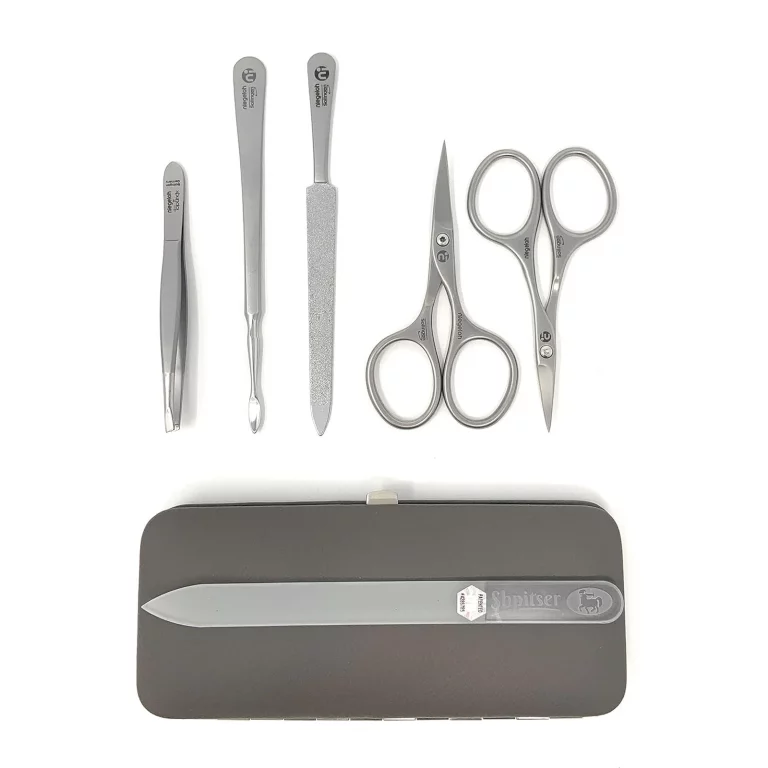
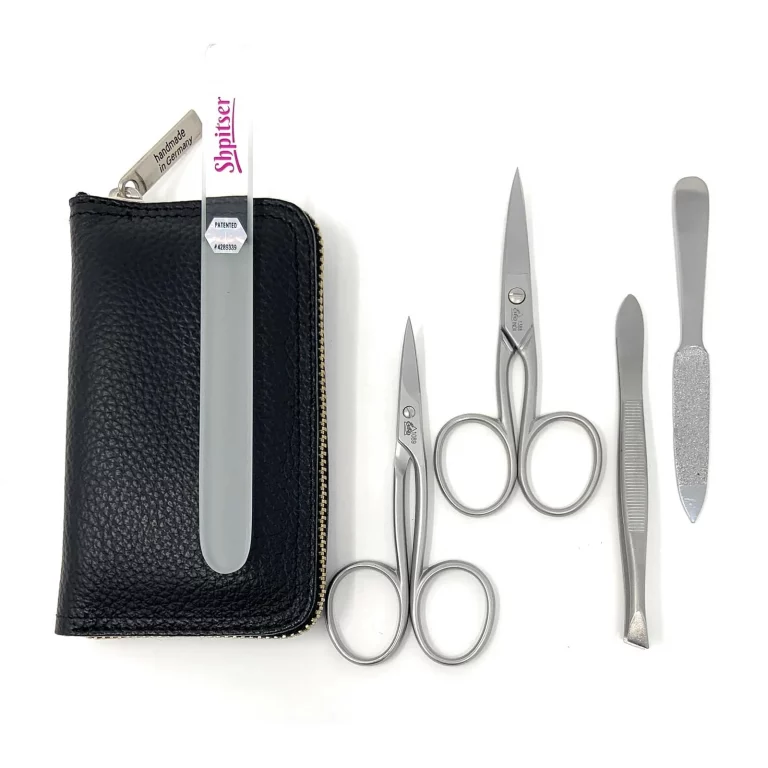
Instruments where this matters
Questions we get
Does a small or invisible lunula mean something is wrong?
Usually not. It is often simply hidden under the skin fold, and it is naturally largest on the thumb and smallest on the little finger.
Why should pressure on it be avoided?
The nail is still forming there. Firm pressure or an injury over the lunula can show up months later as a ridge or a dent in the grown-out plate.
Why is it pale?
Because the keratin there is not yet fully compacted and hides the colour of the nail bed underneath.
*This page explains a word, nothing more. It is not medical advice and does not replace a consultation about a specific condition of the nail or the skin around it.
The nail itself: layered keratin, formed in the matrix, sliding forward over the bed. Everything else in a manicure is either under it or around it.
A strip of skin, not nail, that has torn away beside the nail. Cut it flush — pulling it takes living tissue with it.
The living fold of skin at the base of the nail. It seals the gap between nail and finger, which is why it is the one part that should not be cut.
The part of the nail that has grown past the fingertip and is no longer attached to the bed — the only part that is actually being cut or filed.