Cuticle
Two things share one name
In everyday speech “cuticle” covers the whole rim of skin around the nail. In precise use it means only the thin translucent band of dead tissue that adheres to the nail plate and is carried forward as the nail grows out from under the skin fold. That band is dead. The fold it emerges from — the eponychium — is living skin and a seal against infection.
In short
- What it is: dead tissue riding on the nail plate
- Can be: softened and removed
- Should not be confused with: the living skin fold behind it
Why the distinction matters
Removing dead tissue is grooming. Cutting the living fold opens the seal that keeps water and bacteria out of the nail matrix.
How it is normally handled
Soften first — warm water for a few minutes, or a remover product left for its stated time. Push back gently with a rounded pusher, then take away only what lifts free. Fine cuticle scissors are for the band that has already separated, not for trimming the skin fold to a neat line.
What over-treatment looks like
A rim that is red, thickened and regrows faster and rougher each time. Skin responds to repeated injury by building more of itself, which is why aggressive cuticle work creates the appearance it was meant to remove.
Instruments where this matters
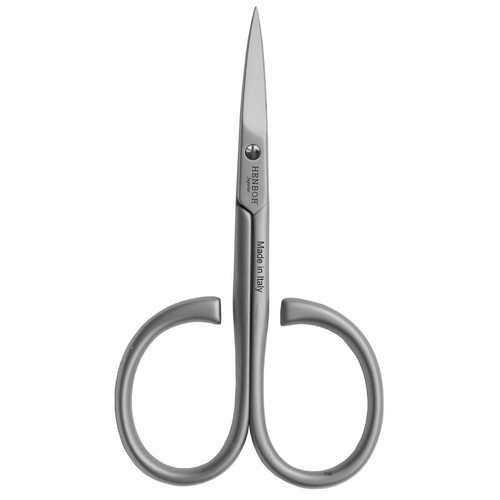
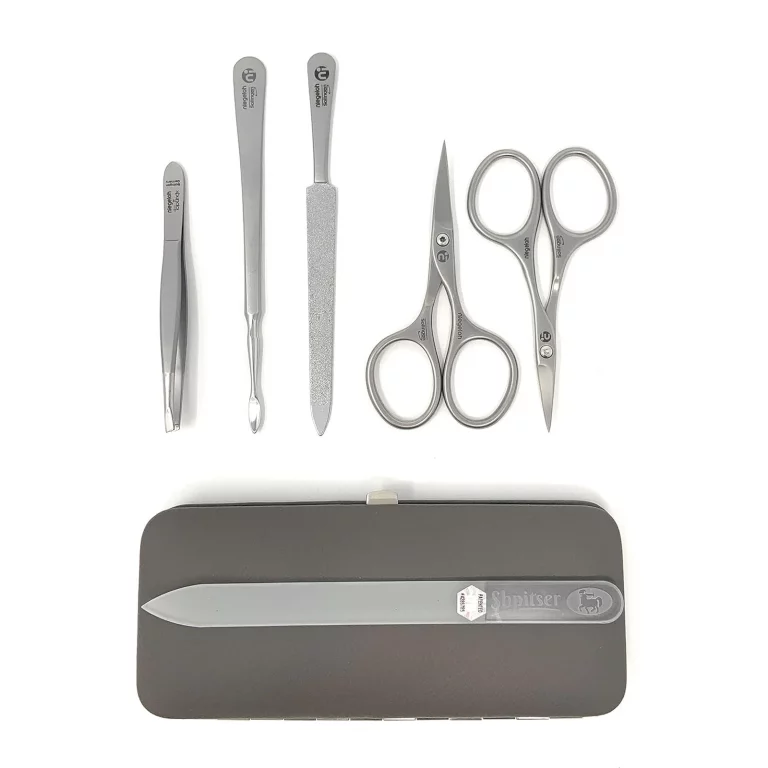
Questions we get
Should the cuticle be cut or pushed back?
What is properly called the cuticle is dead tissue lying on the nail plate and can be removed. The living fold behind it should not be cut. Most damage happens because the two are treated as one thing.
Why does it grow back so fast?
Because it is produced continuously as the nail advances. The rate is normal, not a sign that something went wrong.
What softens it?
Warm water and a few minutes of patience, or a cuticle remover left on for the time on the label. Force is not a substitute for either.
*This page explains a word, nothing more. It is not medical advice and does not replace a consultation about a specific condition of the nail or the skin around it.
A strip of skin, not nail, that has torn away beside the nail. Cut it flush — pulling it takes living tissue with it.
The skin sealing the underside of the nail where the free edge lifts away. Sensitive, easily injured, and the reason short nails can feel tender.
A nail edge pressing into the skin fold beside it. Most often started by cutting the corner down — and made worse by cutting it again.
The rims of skin framing the nail on three sides. They hold the plate in place and, along the sides, are where most manicure injuries happen.