Hangnail
What it actually is
Despite the name, a hangnail is skin. A strip of the dry outer layer beside the nail splits and lifts, staying attached at one end. It happens where skin is thin, moves constantly and dries repeatedly — which describes the nail folds exactly.
In short
- What it is: torn skin, not nail
- Correct handling: cut flush at the base with fine, clean scissors
- Wrong handling: pulling — it tears into living tissue
Why pulling hurts so much
The tear follows the grain of the skin, inward and downward, past the point where nerves begin.
How to deal with one
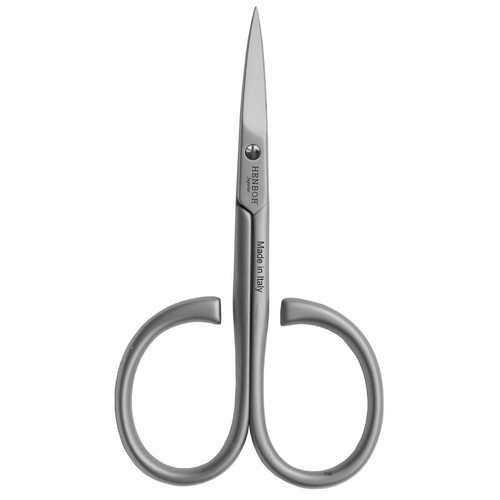
Soften the area briefly, then cut the strip flush at its base — not below the surface, and not by trimming the surrounding skin “to match”. Fine-pointed cuticle scissors exist for exactly this cut. Follow with oil or cream.
Preventing the next one
Hangnails are a dryness problem with a mechanical trigger. Cream after every hand wash, oil at the nail folds in the evening, and gloves for cleaning work do more than any amount of careful trimming.
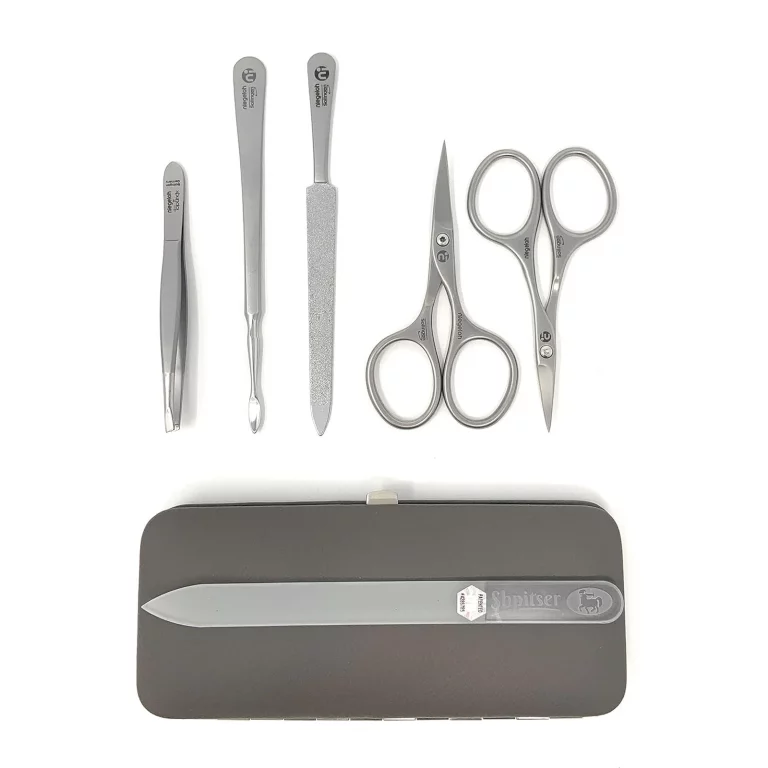
Instruments where this matters
Questions we get
Should I pull a hangnail off?
No. It tears along the grain of the skin and takes living tissue with it. Cut it flush at the base with clean, fine scissors.
Why do they keep coming back?
Dry skin and repeated wetting. Hand cream and cuticle oil address the cause; cutting only handles the symptom.
When is it more than a nuisance?
When the area is red, swollen, warm or throbbing. That is a case to have looked at rather than to keep trimming.
*This page explains a word, nothing more. It is not medical advice and does not replace a consultation about a specific condition of the nail or the skin around it.
The skin sealing the underside of the nail where the free edge lifts away. Sensitive, easily injured, and the reason short nails can feel tender.
A nail edge pressing into the skin fold beside it. Most often started by cutting the corner down — and made worse by cutting it again.
The living fold of skin at the base of the nail. It seals the gap between nail and finger, which is why it is the one part that should not be cut.
The rims of skin framing the nail on three sides. They hold the plate in place and, along the sides, are where most manicure injuries happen.